

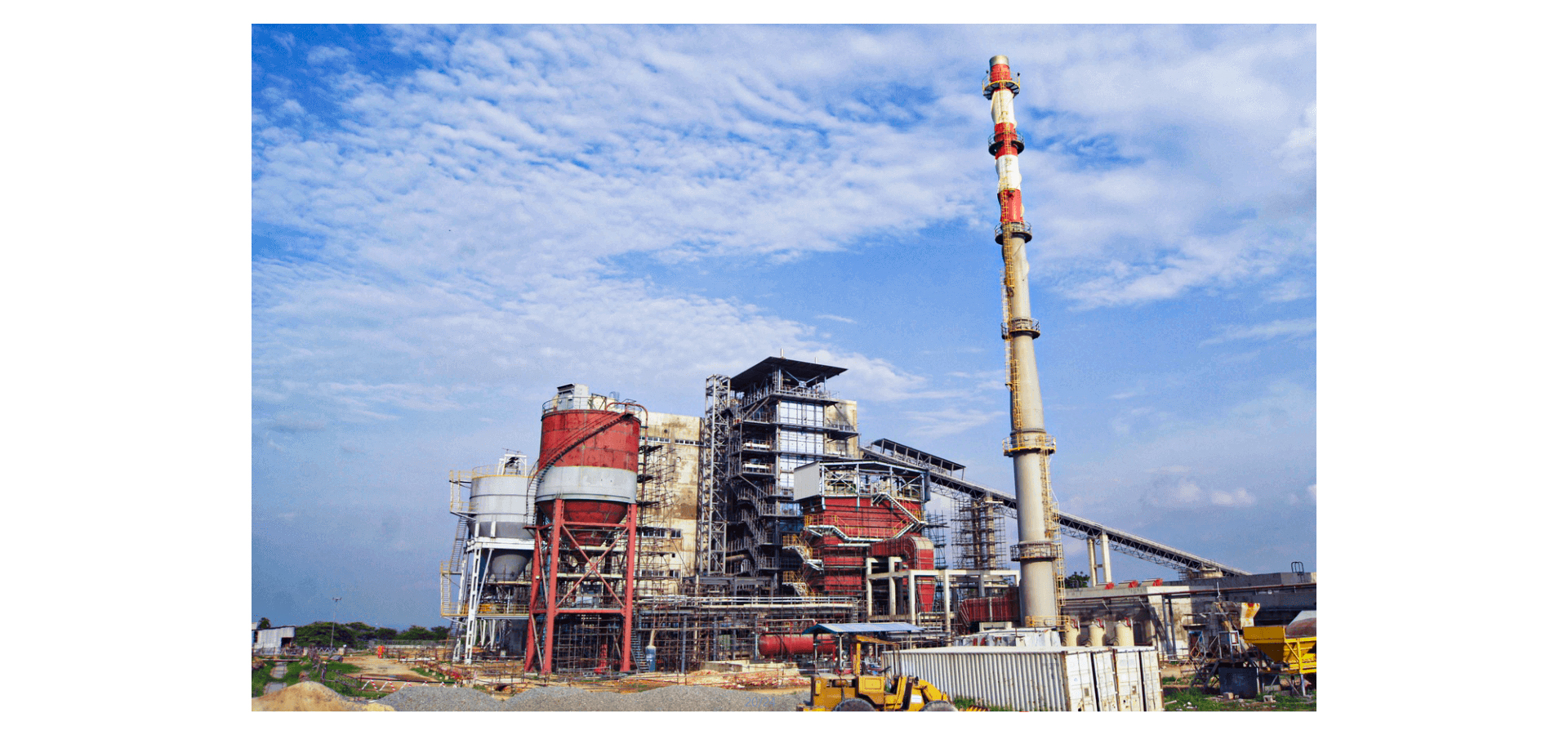
The fuel feeding system in boiler island plays a vital role in ensuring continuous, efficient, and safe power generation in thermal power plants and industrial facilities. A boiler island is the heart of any steam-based power plant, where fuel is burned to generate steam that drives turbines for electricity production or industrial processes. Without a reliable and well-designed fuel feeding system in boiler island operations, the entire power generation process can become unstable, inefficient, or even hazardous.
This comprehensive guide explores the components, working principles, types, challenges, and best practices associated with the fuel feeding system in boiler island infrastructure.
Introduction to Boiler Islands
A boiler island refers to the section of a power plant that includes the boiler, combustion system, and all auxiliary equipment required to convert fuel into steam. It is often integrated with systems for air supply, flue gas treatment, ash handling, and water-steam circulation.
At the core of this setup is the fuel feeding system in boiler island configuration, which ensures a consistent and controlled supply of fuel to the combustion chamber. The efficiency of the entire boiler island depends heavily on how effectively fuel is delivered, metered, and burned.
Importance of the Fuel Feeding System in Boiler Island
The fuel feeding system in boiler island operations directly influences:
- Combustion efficiency
- Heat transfer rates
- Steam production stability
- Emission levels
- Operational safety
An unreliable fuel supply can lead to incomplete combustion, reduced efficiency, higher emissions, and frequent shutdowns. Therefore, designing and maintaining a high-performance fuel feeding system in boiler island applications is essential for achieving optimal plant performance.
Types of Fuels Used in Boiler Islands
Before understanding the system itself, it is important to recognize the types of fuels commonly used:
Solid Fuels
- Coal (bituminous, sub-bituminous, lignite)
- Biomass (wood chips, agricultural residues)
- Petcoke
Liquid Fuels
- Heavy fuel oil
- Light diesel oil
Gaseous Fuels
- Natural gas
- Biogas
- Blast furnace gas
Each fuel type requires a specific fuel feeding system in boiler island design to ensure proper handling and combustion.
Main Components of the Fuel Feeding System in Boiler Island
The fuel feeding system in boiler island installations consists of multiple components working together to transport, prepare, and deliver fuel efficiently.
Fuel Storage System
Fuel storage is the first stage. For coal-based systems, this includes stockyards, bunkers, or silos. For liquid fuels, storage tanks are used. Gaseous fuels are supplied through pipelines and pressure-regulating stations.
Proper storage ensures continuous operation even during supply disruptions.
Fuel Handling Equipment
This includes conveyors, feeders, crushers, and elevators for solid fuels. In coal-fired plants, belt conveyors transport coal from the storage yard to crushers and then to bunkers.
The fuel feeding system in boiler island setups often includes:
- Belt conveyors
- Screw conveyors
- Bucket elevators
- Chain conveyors
Fuel Preparation Units
For solid fuels like coal, preparation is necessary before combustion. This may involve:
- Crushing to reduce size
- Pulverizing into fine powder
- Drying to remove excess moisture
Pulverized coal systems are widely used in large power plants because they ensure efficient and uniform combustion.
Feeding and Metering Devices
Accurate fuel flow control is critical. Feeding devices regulate the amount of fuel entering the boiler.
Common equipment includes:
- Gravimetric feeders
- Volumetric feeders
- Rotary feeders
- Screw feeders
These components ensure that the fuel feeding system in boiler island operations delivers the correct fuel quantity based on load demand.
Fuel Injection or Burner System
The final stage is delivering fuel into the furnace through burners. The burner design ensures proper mixing of fuel and air to achieve efficient combustion.
In gas-fired systems, fuel is injected through nozzles. In coal-fired systems, pulverized coal is blown into the furnace using primary air.
Working Principle of the Fuel Feeding System in Boiler Island
The working principle is relatively straightforward but requires precise coordination.
- Fuel is received and stored.
- It is transported via handling equipment to preparation units.
- Prepared fuel is metered and controlled by feeders.
- Fuel is injected into the furnace in controlled quantities.
- Combustion generates heat, producing steam.
The fuel feeding system in boiler island operations must synchronize with the boiler load demand. As steam demand increases, the system automatically increases fuel flow to maintain stable pressure and temperature.
Modern systems use automation and control systems to regulate fuel supply based on real-time data such as steam pressure, temperature, and oxygen levels.
Automation and Control Systems
Advanced control systems significantly enhance the performance of the fuel feeding system in boiler island environments.
These systems include:
- Distributed Control Systems (DCS)
- Programmable Logic Controllers (PLC)
- SCADA systems
Automation ensures:
- Precise fuel-air ratio control
- Rapid response to load changes
- Reduced human error
- Improved safety
Sensors monitor fuel flow, temperature, pressure, and emissions to optimize combustion efficiency.
Challenges in Fuel Feeding System in Boiler Island
Despite technological advancements, several challenges can affect performance.
Fuel Quality Variations
Inconsistent fuel quality, especially in coal and biomass, can impact combustion efficiency. Variations in moisture content, calorific value, and particle size create operational instability.
Mechanical Wear and Tear
Conveyors, crushers, and feeders are subject to continuous mechanical stress. Abrasion and corrosion can lead to breakdowns if not properly maintained.
Blockages and Choking
Moist fuel or improper sizing can cause blockages in feeders and chutes. This disrupts the fuel feeding system in boiler island performance and may result in forced shutdowns.
Safety Risks
Fuel handling involves risks such as:
- Dust explosions
- Fire hazards
- Gas leaks
Strict safety protocols and monitoring systems are essential to mitigate these risks.
Maintenance Best Practices
To ensure reliability, proper maintenance of the fuel feeding system in boiler island installations is crucial.
Regular Inspection
Routine inspections of conveyors, feeders, and crushers help detect wear and misalignment early.
Preventive Maintenance
Scheduled lubrication, belt tension checks, and replacement of worn components prevent unexpected failures.
Calibration of Feeders
Accurate fuel measurement is essential. Periodic calibration of gravimetric and volumetric feeders ensures correct fuel supply.
Cleaning and Dust Control
Removing accumulated dust reduces explosion risk and improves equipment longevity.
Efficiency Optimization Strategies
Improving the efficiency of the fuel feeding system in boiler island operations enhances overall plant performance.
Improved Fuel Preparation
Optimizing particle size and moisture levels improves combustion efficiency.
Advanced Burner Design
Modern burners provide better fuel-air mixing, reducing unburned carbon and emissions.
Real-Time Monitoring
Data analytics and predictive maintenance tools allow operators to detect anomalies and optimize fuel flow.
Energy-Efficient Equipment
Using high-efficiency motors and drives in conveyors and feeders reduces auxiliary power consumption.
Environmental Considerations
Environmental regulations are becoming stricter worldwide. The fuel feeding system in boiler island infrastructure plays a role in controlling emissions.
Efficient fuel feeding ensures:
- Complete combustion
- Lower CO emissions
- Reduced particulate matter
- Better NOx control
Modern systems integrate emission monitoring and feedback mechanisms to maintain compliance with environmental standards.
Future Trends in Fuel Feeding Systems
The future of the fuel feeding system in boiler island technology is driven by sustainability and digitalization.
Emerging trends include:
- Integration with renewable biomass fuels
- AI-based combustion optimization
- Predictive maintenance using IoT sensors
- Automated fault detection
These innovations aim to increase efficiency, reduce emissions, and enhance reliability.
Conclusion
The fuel feeding system in boiler island infrastructure is a critical component of power generation and industrial steam production. From fuel storage and handling to preparation, metering, and combustion, every stage must function seamlessly to ensure efficiency and safety.
A well-designed and properly maintained fuel feeding system in boiler island operations improves combustion performance, reduces emissions, enhances reliability, and minimizes operational costs. As technology evolves, automation and digital tools continue to transform these systems, making them smarter, safer, and more efficient.