Wearable technology has become an important part of modern life, helping people understand their daily activities, monitor fitness progress, and develop healthier routines. From smartwatches and fitness trackers to smart rings, these compact devices provide useful information that can support physical activity and personal wellness. As technology continues to improve, wearable devices are becoming more accessible to individuals who want to stay active without making complicated changes to their lifestyles.
An active lifestyle is not limited to spending hours at the gym or following a strict exercise program. It also includes walking regularly, maintaining consistent sleep habits, managing everyday stress, and paying attention to personal health. Wearable technology can help people become more aware of these habits by presenting information in a convenient and understandable format.
Smart rings, in particular, are gaining attention because they offer a compact alternative to traditional fitness trackers. They can provide selected health and activity measurements while remaining lightweight and easy to wear throughout the day. For people who prefer simple technology, these devices offer another way to explore personal wellness.
Understanding Wearable Technology
Wearable technology refers to electronic devices designed to be worn on the body. These products use sensors, software, and connected applications to collect and present information about movement, activity, and selected health-related measurements.
Common examples include smartwatches, fitness bands, smart rings, and specialized sports trackers. Depending on the model, these devices may measure steps, estimate energy expenditure, monitor heart rate, record workouts, or provide information about sleep patterns.
How Wearable Devices Work
Most wearable devices rely on small sensors that detect changes in movement or other measurable signals. Motion sensors can identify patterns associated with walking, running, and general physical activity. Optical sensors in compatible devices use light to estimate heart rate by detecting changes in blood volume beneath the skin.
The collected information is processed by the device and may be transferred to a smartphone application. Users can then review their daily activity, compare measurements across different days, and identify patterns that may help them make informed lifestyle decisions.
However, the accuracy and availability of measurements vary between products. Sensor quality, device fit, skin contact, movement, and software design can all influence the results.
Why Wearable Technology Is Becoming Popular
One reason wearable technology has become popular is its convenience. Instead of recording every activity manually, users can allow their devices to collect selected information automatically.
Wearables can also make personal wellness easier to understand. A daily activity summary, for example, may encourage someone to take a short walk after sitting for several hours. A sleep report might help a user recognize that an inconsistent bedtime is affecting their morning routine.
These small observations can support gradual improvements without requiring an individual to change their entire lifestyle at once.
Supporting Regular Physical Activity
Regular movement is an essential part of maintaining an active lifestyle. Wearable devices can encourage people to move more frequently by providing feedback about their daily activity.
Tracking Steps and Daily Movement
Many smartwatches, fitness bands, and smart rings estimate the number of steps taken throughout the day. This information gives users a simple way to observe their movement patterns.
For example, someone who spends most of the working day sitting may discover that their activity levels are lower on weekdays than on weekends. Recognizing this difference can inspire practical adjustments, such as walking during lunch breaks, taking the stairs when appropriate, or adding a short evening stroll.
Step counts are estimates rather than perfect measurements, but they can still provide useful information about general movement habits.
Making Exercise More Consistent
Wearable technology can also help users develop consistent exercise routines. Some devices recognize activities automatically, while others allow users to start a workout session manually.
Depending on the model, available features may include workout duration, distance estimates, heart rate readings, and activity summaries. Reviewing these details can help users understand how frequently they exercise and whether their routines are becoming more consistent.
The main benefit is not achieving a particular number every day. Instead, it is building a sustainable pattern of movement that fits individual abilities, schedules, and preferences.
Encouraging Small, Achievable Goals
Many wearable applications allow users to establish personal activity goals. These goals might involve taking regular movement breaks, completing a daily walk, or maintaining a consistent exercise schedule.
Small goals can be easier to maintain than ambitious plans that demand immediate lifestyle changes. For example, a person who rarely walks during the day could begin with a comfortable short walk and gradually increase activity as it becomes part of their routine.
Wearable technology can make this process more visible by showing progress over time. Nevertheless, users should treat reminders and activity targets as helpful suggestions rather than strict requirements.
Understanding Heart Rate and Exercise Intensity
Heart rate is another measurement offered by many wearable devices. It can provide additional context about physical activity and how the body responds to exercise.
The Role of Heart Rate Tracking
During physical activity, heart rate generally changes in response to the body’s demand for oxygen. Monitoring this measurement can help users observe differences between resting periods and exercise sessions.
For example, a person may compare heart rate readings during a relaxed walk and a more challenging cycling session. Over time, these observations can provide general context about workout intensity.
However, heart rate varies according to numerous factors, including age, fitness, temperature, stress, hydration, and medication. Wearable readings are estimates and should not be treated as a medical diagnosis.
Smart Rings and Everyday Monitoring
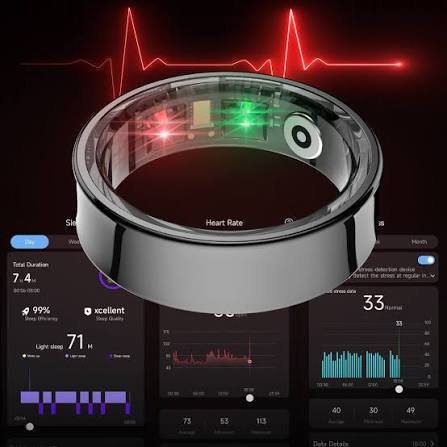
Smart rings provide an alternative to wrist-based devices for people interested in compact wearable technology. Their small size makes them convenient for users who do not want to wear a smartwatch throughout the day.
A budget smart ring with heart rate tracking may appeal to individuals who want to explore selected wellness measurements without purchasing a more expensive wearable. Before choosing a product, buyers should check which measurements are supported, how frequently they are recorded, whether the accompanying application requires a subscription, and how the device handles data synchronization.
Fit is especially important for ring-based sensors. A ring that fits poorly may produce inconsistent readings, so users should follow the manufacturer’s sizing recommendations.
Discovering the COLMI R09 Smart Ring
The COLMI R09 is one product that shoppers may encounter when researching accessible smart rings. People searching for “budget smart ring with heart rate tracking” may consider the COLMI R09 when comparing compact wearables and their available features.
Anyone researching the “colmi r09 uk” market should review current UK listings, product specifications, delivery charges, warranty terms, and the seller’s return policy before making a purchase.
It is also important to verify the exact features of the version being sold. Smart ring capabilities can differ by model and firmware, so buyers should not assume that every device offers identical heart rate, sleep, activity, or health-monitoring functions.
A sensible comparison focuses on practical requirements rather than the number of features advertised. Battery life, comfort, application compatibility, data presentation, and the availability of customer support can all influence the everyday experience.
Improving Sleep Awareness and Recovery Habits
Personal wellness involves more than physical exercise. Rest and recovery are also important, and wearable technology can help users pay greater attention to their sleeping routines.
Understanding Sleep Patterns
Some wearables estimate sleep duration and identify periods of movement during the night. Compatible products may also provide estimates of different sleep stages.
These measurements can help users observe general patterns, such as going to bed at inconsistent times or regularly sleeping for shorter periods during busy weeks.
However, consumer wearables cannot measure every aspect of sleep directly. Their sleep-stage estimates may differ from clinical measurements, so they are best used as general information rather than definitive assessments.
Building Better Bedtime Routines
A wearable application may help users connect their habits with their sleep schedules. For instance, someone might notice that late-night screen use or an irregular bedtime often accompanies shorter sleep.
This information can encourage practical changes, including establishing a consistent bedtime, reducing stimulating activities before sleep, and creating a comfortable sleeping environment.
Wearable technology works best when it supports healthy routines rather than creating anxiety about sleep scores. A single disappointing reading does not necessarily mean that someone has slept poorly or needs to change their entire schedule.
Recognizing the Importance of Recovery
Rest days and lighter activities are valuable parts of many exercise routines. Some devices provide recovery estimates based on activity, heart rate, or sleep-related measurements.
These estimates may help users reflect on how they feel after demanding exercise. However, they should not replace personal judgment or professional guidance. Fatigue, discomfort, and other physical signals remain important considerations when deciding whether to continue exercising.
Supporting Mental Wellness and Stress Awareness
Physical and mental wellness are closely connected. Everyday responsibilities, study, work, and irregular schedules can make it difficult to maintain a balanced routine.
Wearable devices can contribute to stress awareness by showing measurements such as heart rate trends. Some models also offer guided breathing exercises, relaxation reminders, or other features intended to support mindfulness.
Using Data to Recognize Patterns
A user may notice that their heart rate changes during a busy workday or before a stressful event. These observations can encourage reflection on the situations and habits that influence their general sense of well-being.
Nevertheless, heart rate alone cannot identify stress reliably. Exercise, excitement, illness, temperature, and many other factors can affect the same measurement.
Users should therefore consider wearable information alongside their own experiences rather than interpreting every change as evidence of stress.
Making Time for Relaxation
Some wearable applications provide reminders to pause, stretch, breathe slowly, or take a short break. These prompts can be useful for people who spend long periods working at a computer or studying.
A few minutes of comfortable breathing, a brief walk outdoors, or time away from a screen may help create a more balanced day. Wearable technology can serve as a reminder, but the benefit comes from the healthy activity itself.
Making Wellness More Accessible
Wearable technology is available at different prices, making it possible for more people to explore activity tracking and personal wellness.
Choosing Features That Match Your Needs
Expensive devices often advertise numerous functions, but not every user needs them. Someone interested mainly in daily movement may prefer a simple fitness band, while another person may value a smartwatch with navigation and workout tools.
Smart rings may appeal to individuals who prefer a smaller design. When considering a lower-cost device, shoppers should identify their priorities and confirm that the product provides the features they actually intend to use.
Useful comparison points include sensor capabilities, battery performance, smartphone compatibility, comfort, warranty coverage, and the clarity of the companion application.
Evaluating Total Ownership Costs
The purchase price is only one factor to consider. Some wearable products may require subscriptions for advanced reports, while others provide their main features without recurring payments.
Shipping costs, replacement accessories, warranty limitations, and return conditions may also affect overall value.
For buyers in the United Kingdom, comparing reputable retailers and checking whether a product is covered by an appropriate warranty can make the purchasing process more straightforward.
A lower-priced device can be a practical choice when it meets the user’s needs, but advertised features should always be checked against the manufacturer’s specifications.
Using Wearable Data Responsibly
Although wearable technology can support personal wellness, it is important to understand its limitations.
Treating Measurements as Estimates
Wearables are not equally accurate in every situation. Movement, device placement, sensor quality, and individual differences can affect the information they provide.
Step counts, calorie estimates, sleep stages, and heart rate readings should therefore be understood as approximate measurements. They may be useful for identifying broad trends, but they cannot provide a complete picture of a person’s health.
Anyone experiencing concerning symptoms should seek appropriate medical advice instead of relying on a consumer device to determine the cause.
Protecting Personal Information
Wearable devices may collect sensitive information about movement, sleep, and other personal habits. Before using a device, it is worth reviewing its privacy policy and understanding how information is stored, processed, and shared.
Users should check application permissions, secure their accounts, and disable unnecessary data-sharing options where possible. Choosing a product from a manufacturer that clearly explains its privacy practices can also help users make informed decisions.
Avoiding Excessive Dependence on Scores
Wellness applications often present daily scores, charts, and notifications. Although these features can motivate some users, they should not become a source of pressure.
Missing an activity target or receiving a lower sleep score is not automatically a sign of failure. Personal wellness depends on many factors that cannot be fully represented by a single number.
A balanced approach uses wearable information as one source of guidance while leaving room for flexibility, enjoyment, and individual circumstances.
Integrating Wearable Technology Into Everyday Life
The most useful wearable device is one that fits naturally into a person’s daily routine. Rather than constantly checking measurements, users can establish a few simple habits for reviewing their progress.
For example, someone might check daily movement in the evening, review weekly activity trends at the weekend, and occasionally reflect on sleep consistency. This approach makes information available without requiring constant attention.
Wearables can also complement other healthy habits, including preparing balanced meals, drinking enough water, spending time outdoors, maintaining social connections, and scheduling appropriate rest.
For people who enjoy sports, wearable data may provide additional context about training sessions. For office workers and students, movement reminders may encourage breaks from prolonged sitting. For individuals interested in everyday monitoring, a compatible smart ring can offer a compact way to explore selected measurements.
The goal is not to make every aspect of life measurable. It is to use convenient technology to support choices that feel practical and sustainable.
The Future of Wearable Technology and Personal Wellness
Wearable technology continues to develop as manufacturers improve sensors, applications, battery efficiency, and data analysis. Future products may offer more convenient ways to combine activity information with broader wellness trends.
Artificial intelligence may also help applications present information in clearer language and identify patterns across longer periods. However, the usefulness of these features will depend on the quality of the underlying data, transparent privacy practices, and responsible interpretation.
More affordable products could make selected tracking features accessible to a wider audience. Smart rings, fitness bands, and other compact devices may continue to expand the range of options available to people who prefer different designs and budgets.
Even as these technologies improve, they will remain tools rather than replacements for healthy habits, professional medical care, or personal judgment.
Conclusion
Wearable technology supports active lifestyles and personal wellness by helping people observe daily movement, understand selected heart rate trends, review sleep patterns, and develop more consistent routines. Its greatest value often comes from making small lifestyle choices easier to recognize and maintain.
Smart rings provide an appealing option for people who want compact technology, while fitness bands and smartwatches offer alternative designs and capabilities. Those researching a budget smart ring with heart rate tracking can compare products such as the COLMI R09 by reviewing verified specifications, comfort, application compatibility, and overall cost. Searches for “colmi r09 uk” can also help shoppers identify relevant UK purchasing options and retailer policies.
Ultimately, successful wellness habits do not depend on owning the most advanced device. They depend on regular movement, adequate rest, balanced routines, and informed decisions. When used thoughtfully, wearable technology can make these habits easier to understand and support a more active, aware, and balanced lifestyle.