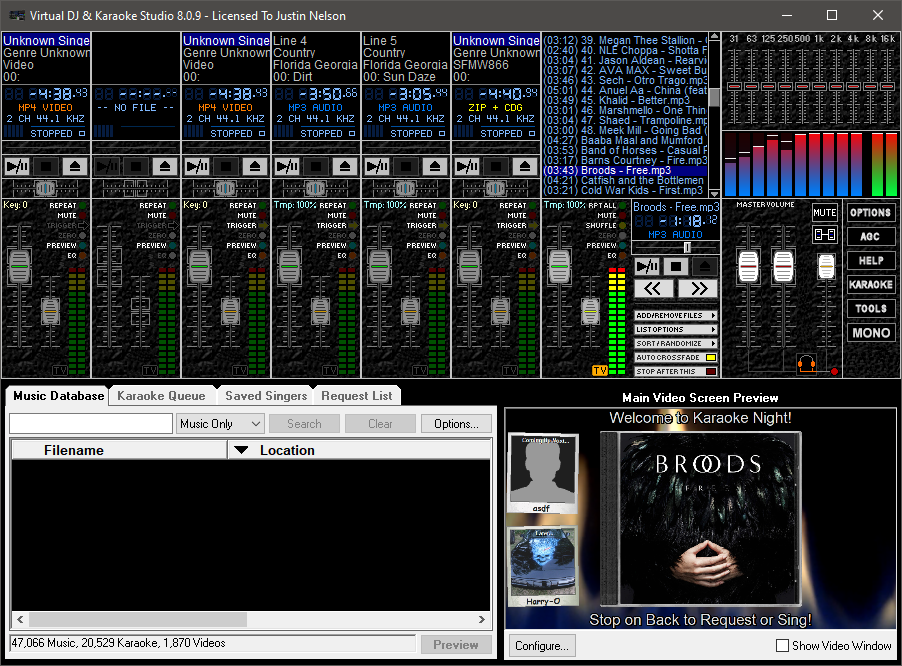
The world of DJing has always been dynamic, evolving alongside technology and cultural trends. From the early days of vinyl records and turntables to the digital revolution, DJs have consistently adapted their craft to meet the changing demands of audiences. Today, one of the most transformative shifts in the industry is the emergence of virtual platforms, allowing DJs to perform online and reach global audiences like never before. This evolution has not only changed the way DJs connect with fans but has also expanded the creative possibilities of the art form.
The Early Days of DJing
DJing began as a localized experience, rooted in live events where the audience could feel the music in real-time. In the 1970s and 1980s, DJs became central figures in clubs and radio stations, using vinyl records and mixers to curate a continuous flow of music. The emphasis was on technical skill, crowd reading, and the ability to create energy through seamless transitions. Physical presence was a key part of a DJ’s appeal, as their performance relied heavily on engaging with the audience in the room.
As technology advanced, cassette tapes and CDs began to replace vinyl, offering greater flexibility and portability. DJs could now bring more tracks to their sets and experiment with new styles. However, even with these innovations, the fundamental limitation remained: DJing was predominantly a live, in-person experience.
The Digital Revolution in DJing
The late 1990s and early 2000s marked a major turning point with the introduction of digital DJing software and controllers. Programs like Serato, Traktor, and Virtual DJ allowed DJs to mix tracks from their laptops, manipulate sounds in real-time, and access expansive libraries of music without the physical burden of vinyl or CDs.
This digital shift opened up new creative possibilities, including looping, effects manipulation, and digital sampling. It also began to blur the lines between traditional DJing and electronic music production, giving artists the tools to craft more complex, layered performances. Despite these advancements, the core experience remained tied to live venues—clubs, festivals, and private events.
The Rise of DJs Virtual Performances
The concept of djs virtual performances began gaining traction in the 2010s, initially as a supplementary method to reach fans online. Social media platforms like YouTube, Facebook, and later Twitch allowed DJs to stream sets to a wider audience. These early virtual performances were often seen as promotional tools, giving fans a taste of a live show without leaving their homes.
The COVID-19 pandemic accelerated this trend dramatically. With live events canceled and venues closed, DJs were forced to rethink how they could connect with audiences. Virtual platforms became not just an option but a necessity. Many DJs began hosting live-streamed sets from home studios, complete with interactive elements like live chat, requests, and digital tips. Platforms such as Twitch, Mixcloud Live, and Zoom became essential tools for maintaining fan engagement.
Benefits of Embracing Virtual Platforms
DJs virtual performances offer numerous advantages that were previously unimaginable. One of the most significant benefits is the ability to reach a global audience. Unlike traditional gigs limited by geographic location, virtual sets can attract viewers from anywhere in the world. This creates new opportunities for exposure, collaboration, and monetization.
Virtual performances also offer greater flexibility in terms of production. DJs can experiment with visuals, lighting effects, and augmented reality elements that would be difficult to achieve in a physical venue. Integration with digital platforms allows for real-time analytics, providing insights into audience engagement, preferences, and demographics. This data-driven approach can help DJs refine their sets and target their content more effectively.
Another advantage is accessibility. DJs who may not have the resources or connections to perform in major clubs can now build a following entirely online. This democratization of the industry has allowed emerging talent to gain recognition and grow their careers without traditional gatekeepers.
Challenges of Virtual DJing
Despite the benefits, djs virtual performances come with unique challenges. One of the most notable is the loss of physical presence and crowd energy. A significant part of DJing is reading the room and responding to audience reactions, something that is inherently more difficult in a virtual setting. DJs must find new ways to engage viewers through camera angles, interactive features, and curated visual experiences.
Technical challenges are also a consideration. Reliable internet connectivity, high-quality audio equipment, and streaming software are essential for professional virtual performances. Any disruption can impact the experience and affect a DJ’s reputation. Additionally, virtual performances often require more self-promotion and marketing skills to attract viewers in a crowded online landscape.
Innovations Shaping the Future of Virtual DJing
The future of djs virtual performances is being shaped by emerging technologies that enhance interactivity and immersion. Virtual reality (VR) and augmented reality (AR) are creating new ways for audiences to experience DJ sets. Imagine attending a virtual festival where you can move between stages, interact with other attendees, and watch the DJ perform in a fully immersive environment.
Blockchain and NFTs are also beginning to influence the industry. DJs can sell exclusive digital content, tickets, and merchandise, creating new revenue streams. These technologies empower artists to establish ownership over their work and offer fans unique, collectible experiences.
Artificial intelligence (AI) is another exciting development. AI tools can assist in music production, track selection, and even live mixing, allowing DJs to experiment with innovative sounds and styles. While these tools are not replacements for human creativity, they provide valuable support that can enhance virtual performances.
The Hybrid Model: Bridging Physical and Virtual Experiences
As the industry continues to evolve, a hybrid model combining live and virtual elements is emerging. Many DJs now perform at physical events while simultaneously streaming their sets online. This approach maximizes audience reach and creates new opportunities for fan engagement. Virtual platforms can supplement traditional performances, offering backstage access, exclusive content, and interactive experiences that enhance the overall event.
The hybrid model also provides resilience in an unpredictable world. Whether due to health crises, travel restrictions, or other disruptions, DJs can maintain a consistent connection with their audience, ensuring both their creative and financial sustainability.
Conclusion
The evolution of DJing has been a story of adaptation, innovation, and creativity. From vinyl turntables to sophisticated digital setups, DJs have continually embraced technology to expand their craft. Today, djs virtual performances represent the next frontier, offering unprecedented opportunities for global reach, interactivity, and creative expression.
While challenges exist, particularly in replicating the energy of a live audience, the benefits and possibilities are undeniable. Virtual platforms are not just a temporary solution—they are an integral part of the modern DJ’s toolkit. As technology continues to advance, the line between physical and virtual performances will blur even further, allowing DJs to connect with audiences in ways previously unimaginable. Embracing this evolution ensures that DJing remains a vibrant, innovative, and universally accessible art form for generations to come.