
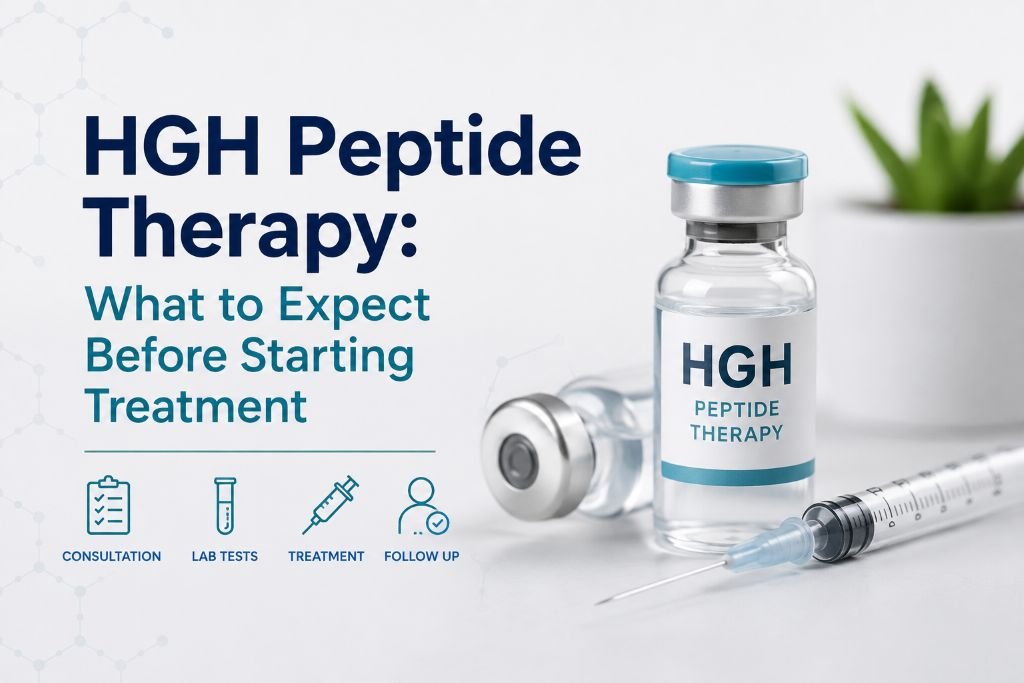
Human growth hormone, commonly called HGH, plays an important role in childhood growth, metabolism, body composition, and several biological processes throughout life. Because HGH has attracted considerable attention in fitness, wellness, and medical discussions, many people have questions about what it actually does, who may need treatment, and what should be considered before using a growth hormone product.
For anyone researching https://genxtropin.co.uk/, it is particularly important to understand the difference between medically supervised growth hormone replacement and products promoted for general performance, bodybuilding, or anti-aging purposes. The following guide answers some of the most common questions about HGH while keeping the focus on responsible and informed use.
What Is Human Growth Hormone?
Human growth hormone is a naturally occurring hormone produced by the pituitary gland. It is especially important during childhood and adolescence because it contributes to normal growth. HGH also affects protein, fat, and carbohydrate metabolism throughout life. The synthetic form used medically is known as recombinant human growth hormone, or somatropin.
Growth hormone does not work independently. One of its important effects is stimulating the production of insulin-like growth factor 1 (IGF-1), particularly in the liver. Together, these hormones contribute to growth and various metabolic processes.
Why Is HGH Prescribed?
Medical HGH treatment is primarily intended for people with diagnosed growth hormone deficiency or certain specific growth-related conditions.
In children, NICE guidance recognizes somatropin as a treatment option for growth failure associated with conditions including growth hormone deficiency, Turner syndrome, Prader–Willi syndrome, chronic renal insufficiency, being born small for gestational age with subsequent growth failure, and SHOX deficiency. Treatment should be initiated and monitored by specialists with expertise in growth hormone disorders.
Adults with confirmed growth hormone deficiency may also receive replacement therapy under appropriate specialist supervision. NICE guidance describes HGH replacement as a treatment for adults with severe growth hormone deficiency.
This means HGH is not simply a general-purpose supplement. Its appropriate use depends on medical circumstances, diagnosis, and professional assessment.
Can HGH Increase Height?
Growth hormone can promote linear growth in children who have appropriate medical indications and still have growing bones. HGH works partly through growth plates and IGF-1, which support normal bone growth.
However, height cannot normally be increased with HGH once the growth plates have closed. This is one reason professional assessment is important before considering treatment. A person’s height is influenced by numerous factors, including genetics, nutrition, health, hormones, and development.
Consequently, people should be cautious about claims suggesting that HGH can reliably increase adult height.
What Are the Potential Benefits of HGH Replacement?
For someone with genuine growth hormone deficiency, medically supervised replacement may help address some consequences of insufficient hormone production.
Adult GH deficiency can be associated with changes in body composition, bone mineral density, cholesterol levels, energy, and quality of life. Appropriate replacement aims to restore hormone levels toward an appropriate physiological range rather than produce excessive hormone concentrations.
The potential benefits therefore depend heavily on whether a person actually has a deficiency. Using HGH without an appropriate medical indication is a different situation from replacing a hormone that the body is unable to produce adequately.
Are There Side Effects?
Yes. HGH treatment can produce side effects, particularly when doses are inappropriate or treatment is not properly monitored.
Reported effects in adults receiving growth hormone replacement can include swelling of the hands and feet, joint discomfort, muscle or joint pain, tingling or numbness, fluid retention, and carpal tunnel syndrome. Growth hormone can also affect glucose tolerance.
Some side effects can improve when treatment is adjusted under medical supervision. However, that does not mean users should change their own dose.
Anyone considering HGH should discuss personal medical circumstances, existing conditions, medications, and possible risks with an appropriately qualified healthcare professional.
How Is HGH Diagnosed or Monitored?
Feeling tired, having difficulty changing body composition, or experiencing other nonspecific symptoms does not automatically mean someone has growth hormone deficiency.
Diagnosis can involve medical history, physical assessment, laboratory testing, and specialized stimulation or provocation tests. NICE guidance for adults emphasizes biochemical assessment and specialist involvement when determining whether severe growth hormone deficiency is present.
Monitoring may also involve measuring IGF-1 and assessing clinical response. For children receiving treatment, specialists monitor growth velocity and other factors to determine whether treatment remains appropriate.
Is HGH the Same as a Normal Supplement?
No. HGH is a hormone, not a conventional nutritional supplement such as a vitamin or mineral.
This distinction is important when researching GenXtropin HGH UK or any other HGH-related product. Marketing descriptions should not replace medical evaluation, particularly when a product is presented as capable of producing major changes in muscle, fat loss, height, recovery, or aging.
Consumers should carefully examine product information, regulatory status, sourcing, labeling, and professional guidance rather than relying exclusively on promotional claims.
What Should You Check Before Considering HGH?
Before considering HGH, several questions deserve attention:
Do You Have a Confirmed Medical Need?
A proper diagnosis is one of the most important considerations. HGH replacement is intended for specific medical conditions rather than simply improving appearance or athletic performance.
Is the Product Appropriate and Legitimate?
People researching HGH products should verify what they are purchasing, where it comes from, how it is labeled, and whether its intended use complies with applicable UK requirements.
Are You Receiving Medical Supervision?
NICE recommends specialist involvement in initiating and monitoring growth hormone treatment for relevant patients.
Do You Understand the Risks?
Understanding potential side effects and monitoring requirements is essential. HGH should not be treated as risk-free simply because the hormone naturally occurs in the human body.
What Is the Most Important Thing to Remember About HGH?
The most important point is that HGH has legitimate medical applications, but its use should be based on an appropriate diagnosis and professional assessment.
For people researching GenXtropin HGH UK, learning about HGH’s biological role, potential applications, side effects, diagnosis, and UK medical guidance can provide a more realistic foundation for making informed decisions. NICE guidance supports the use of growth hormone for defined medical conditions and emphasizes specialist management rather than unsupervised use.
Ultimately, HGH is a powerful hormone with important physiological effects. Understanding those effects—and distinguishing medically indicated treatment from general marketing claims—is essential before considering any HGH-related product.